This post may contain affiliate links which means we may receive a commission from purchases made through links. Learn more on our Privacy Policy page.
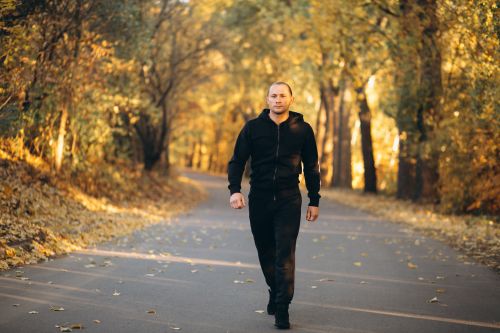
Walking during fasting has gained attention as a simple yet effective way to support health goals, whether you’re practicing intermittent fasting or alternate-day fasting. This low-impact activity aligns well with fasting protocols, offering benefits like enhanced fat burning and improved metabolic health. However, while walking is generally safe, long-term fasts of 48 hours or more require caution. Let’s explore how walking during fasting can boost your routine and when to exercise care.
The Benefits of Walking During Fasting
Walking is an ideal exercise during fasting due to its accessibility and low intensity. Studies show that brisk walking during intermittent fasting supports cardiovascular health and weight loss without overstraining the body. For example, a 2017 study found that combining alternate-day fasting with regular walking significantly reduced body mass index (BMI) and body fat percentage in overweight women. This aligns with research indicating that low-to-moderate activities like walking enhance fat oxidation, as fasting shifts the body’s energy source from glycogen to stored fat.
Moreover, complimenting your fasts with walking may help regulate hunger hormones. Research comparing fasted versus fed-state exercise found that low-intensity activities like walking do not disrupt appetite-regulating hormones, making it easier to adhere to fasting schedules. Additionally, walking improves circulation and mental clarity, which can counteract fasting-related fatigue. These benefits make it a practical choice for those new to fasting or seeking sustainable routines.
Risks of Exercise During Extended Fasts (48+ Hours)
While short-term fasting pairs well with walking, prolonged fasts of 48 hours or more demand caution. Extended fasting depletes glycogen reserves, and intense or prolonged exercise can accelerate muscle protein breakdown. Although one study noted that protein loss decreases as ketogenesis ramps up during fasting, combining rigorous workouts with long fasts may still strain the body. For example, a 2023 study found that prolonged walking (1 hour) did not alter fasting glucose levels, but longer or higher-intensity activities could destabilize blood sugar in sensitive individuals.

Another consideration is energy balance. During extended fasts, the body prioritizes vital functions, leaving less energy for physical exertion. Overexertion may lead to dizziness, fatigue, or electrolyte imbalances, particularly if hydration and nutrient intake are inadequate. While light walking is generally safe, experts recommend avoiding strenuous exercise during prolonged fasts to prevent compromising recovery or immune function.
Practical Tips for Walking During Fasting
To maximize the benefits of coupling your fasts with walking, timing and intensity matter. Stick to low-intensity walks of 30–60 minutes, ideally during cooler parts of the day to avoid dehydration. If following alternate-day fasting, schedule walks on fasting days to leverage heightened fat oxidation. Always listen to your body—if you feel lightheaded or excessively tired, shorten your walk or postpone it until after breaking the fast.
Hydration is also critical. Sip water before, during, and after walks to maintain electrolyte balance, especially during longer fasts. Pairing walking with a nutrient-dense diet during eating windows ensures your body recovers efficiently. By aligning activity levels with your fasting goals, you can harness the synergy between movement and metabolic health.
Takeaway
Combining walking with fasting is a powerful tool for enhancing fat loss, improving heart health, and maintaining energy levels—particularly during intermittent or alternate-day fasting. However, moderation is key during extended fasts, where overexertion may counteract benefits. By tailoring your activity to your fasting regimen and prioritizing low-intensity movement, you can support both physical and metabolic well-being. As always, consult a healthcare provider before making significant changes to your exercise or fasting routine.