This post may contain affiliate links which means we may receive a commission from purchases made through links. Learn more on our Privacy Policy page.
Autophagy, the body’s natural process of cellular cleanup and renewal, plays a critical role in maintaining health and preventing disease. Recent studies suggest that physical activity may activate this vital mechanism, prompting questions like “does walking increase autophagy?” While research explicitly linking walking to autophagy is limited, emerging evidence highlights how exercise—walking included—might influence this cellular process. Let’s explore the science behind autophagy, the role of exercise, and what it means for daily wellness routines.
How Exercise Activates Autophagy
Physical exercise is a well-documented stimulator of autophagy, particularly in muscles and metabolic tissues. Studies show that exercise triggers autophagy in skeletal muscle, heart tissue, and even the brain by creating physiological stress that prompts cells to recycle damaged components. This response helps improve muscle function, reduce inflammation, and enhance overall metabolic efficiency. For instance, a 2024 study noted that exercise counteracts muscle dysfunction caused by high-fat diets by regulating autophagy-related pathways.
The intensity and duration of exercise also matter. Moderate-intensity activities, such as brisk walking, may induce autophagy more effectively when performed in a fasted state. While high-intensity workouts are often highlighted, prolonged moderate exercise—like a 30-minute walk—can similarly elevate autophagy levels, though the exact mechanisms vary. This aligns with broader findings that exercise adapts cellular processes to meet energy demands, promoting long-term health.
The Connection Between Walking and Autophagy
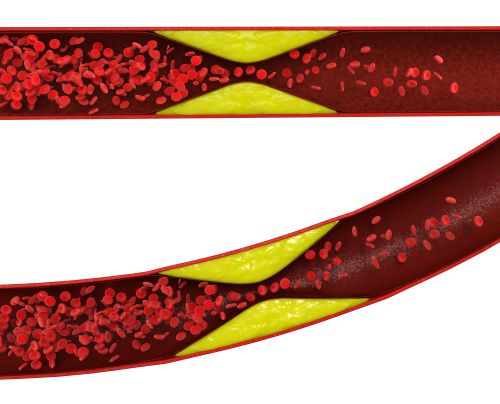
A 2025 pilot study offers indirect insights into walking’s potential role in autophagy activation. Researchers found that natural autophagy activators, such as trehalose and spermidine, increased maximal walking distance in patients with peripheral artery disease (PAD) while reducing oxidative stress. Though the study focused on supplements, the improved walking capacity suggests a synergy between autophagy and physical mobility. Walking, as a low-impact exercise, may complement such interventions by enhancing blood flow and cellular resilience.
Additionally, regular walking aligns with recommendations for maintaining autophagic function in aging populations. Age-related decline in autophagy is linked to muscle weakness and oxidative damage, but physical activity— including walking—can mitigate these effects. While the study did not isolate walking as a variable, it underscores that sustained movement supports autophagy, which is crucial for preserving muscle mass and cardiovascular health.
Mechanisms Behind Exercise-Induced Autophagy
Exercise activates autophagy through multiple pathways. One key mechanism involves adenosine triphosphate (ATP) depletion during physical exertion, which signals cells to initiate autophagy to generate energy. This process not only clears damaged organelles but also enhances mitochondrial function, improving endurance and reducing fatigue. Walking, even at a moderate pace, depletes ATP gradually, creating a controlled stress response that stimulates cellular renewal.
Another pathway involves oxidative stress. Exercise-induced reactive oxygen species (ROS) act as signaling molecules, prompting antioxidant defenses and autophagy to neutralize damage. Polyphenols and other antioxidants found in foods may amplify this effect, but walking alone can generate mild oxidative stress that primes autophagy without overwhelming the body. This balance is critical for reaping benefits without causing harm.
Practical Implications for Daily Wellness
Incorporating walking into daily routines may support autophagy, especially when paired with mindful practices. For example, walking after meals or during fasting windows could enhance autophagy activation, as nutrient scarcity amplifies the cellular cleanup process. A 2024 review emphasized that combining exercise with fasting creates a synergistic effect, though more research is needed to confirm optimal timing.
Individuals with conditions like PAD might benefit from structured walking programs alongside autophagy-boosting nutrients. The 2025 PAD study highlighted that improved walking distance correlated with reduced oxidative stress, suggesting that mobility and autophagy are interconnected. However, consulting a healthcare provider is essential before starting new regimens, particularly for those with health limitations.
Conclusion
While direct evidence answering “does walking increase autophagy?” remains limited, the broader consensus is clear: physical activity, including walking, activates autophagy through mechanical and metabolic stress. Studies in peripheral artery disease patients and aging populations hint at walking’s supportive role, though more research is needed to isolate its effects. For now, walking emerges as a practical, accessible way to promote cellular health—especially when paired with fasting or antioxidant-rich diets. As science evolves, prioritizing regular movement remains a cornerstone of longevity and well-being.