
This post may contain affiliate links which means we may receive a commission from purchases made through links. Learn more on our Privacy Policy page.
Why the Midnight Snack Trap Feels Unavoidable
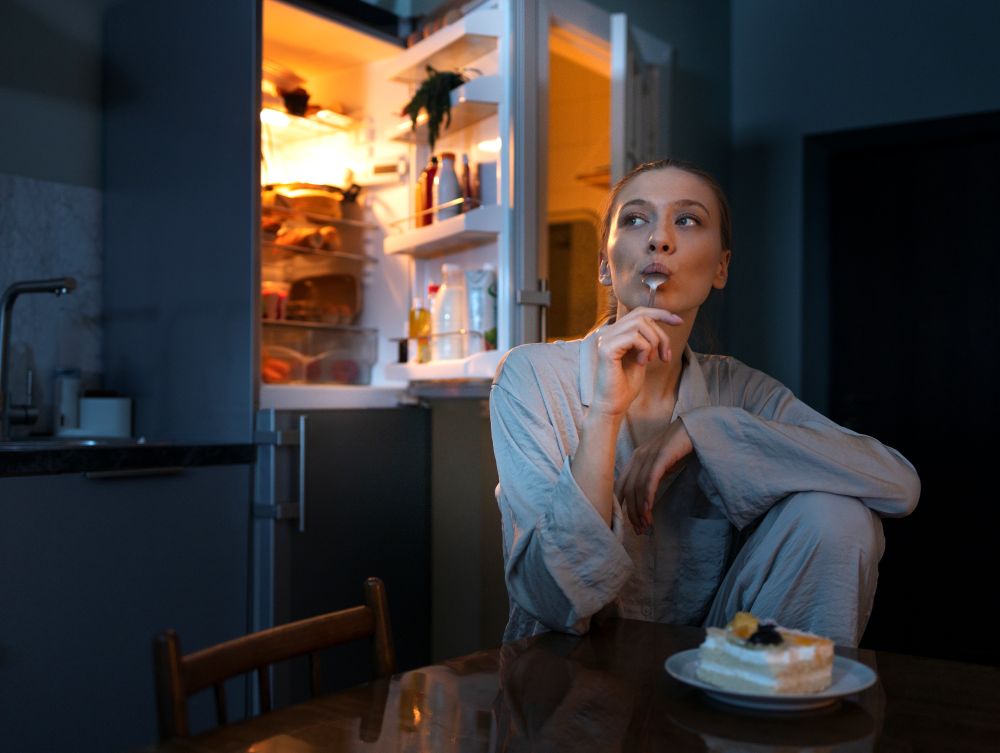
Late-night cravings often stem from a mix of biology and habit. Research shows that high-calorie snacks trigger dopamine release, reinforcing the brain’s reward system and making the midnight snack trap feel irresistible. Over time, this conditions the brain to associate nighttime with indulgence, creating a cycle that’s hard to break. Disrupted sleep patterns further exacerbate the issue: poor sleep increases appetite for sugary, carb-heavy foods, as insulin resistance rises and hunger hormones like ghrelin spike.
Emotional factors also play a role. Stress or boredom can drive impulsive eating, especially when distractions fade after dark. Studies note that unresolved emotions often manifest as cravings, bypassing rational decision-making. For example, a long day’s fatigue might lead to seeking comfort in snacks, even when physical hunger isn’t present. This combination of biological and psychological triggers makes the midnight snack trap a persistent challenge.
The Science Behind Nocturnal Cravings
The brain’s preference for high-calorie foods at night is rooted in evolution. Historically, humans sought energy-dense meals to survive scarcity, but modern accessibility to snacks turns this survival mechanism into a liability. Meals heavy in refined carbohydrates, common in late-night eating, spike insulin levels and later cause energy crashes, amplifying hunger signals. This creates a vicious cycle: poor food choices disrupt sleep, which then fuels further cravings.
Environmental cues also reinforce the habit. If your kitchen is stocked with chips or cookies, the brain learns to crave these options when boredom or restlessness strikes. Research discussed at the Yale School of Medicine highlights that habitual snacking trains the brain to expect rewards, making resistance feel futile over time. The result? A midnight snack trap that feels both inevitable and impossible to escape.
Fear of Failure: A Surprising Ally
Fear of failure, often seen as a hindrance, can be repurposed to disrupt autopilot behaviors. Fear activates the brain’s threat-detection systems, sharpening focus and prompting deliberate action. For instance, reframing a midnight snack as a “failure” to meet health goals can interrupt cravings, redirecting choices toward alignment with long-term wellness. This mental shift transforms fear into a catalyst for mindfulness.
However, balance is critical. Excessive fear may heighten stress, increasing cortisol levels that paradoxically drive cravings. Pair this strategy with self-compassion: acknowledge setbacks without judgment, then pivot to actionable steps. Studies suggest that fear-driven decisions often seek external validation, so lean on supportive habits—like journaling—to process emotions without turning to food.
Practical Strategies to Rewire Cravings
Adjusting daytime habits can preempt nocturnal cravings. Meals rich in protein and fiber stabilize blood sugar, reducing insulin crashes that trigger late-night hunger. For example, swapping a carb-heavy dinner for balanced macros keeps energy levels steady, diminishing the urge to snack. Additionally, establishing a pre-bed routine—such as herbal tea or light stretching—redirects the brain’s focus from food to relaxation.
Environmental tweaks also play a role. Keep high-calorie snacks out of reach and replace them with nutrient-dense options like nuts or fruit, which satisfy without guilt. Research underscores that nighttime fasting improves metabolic health, making it easier to resist the midnight snack trap over time. Consistency, not perfection, is key to rewiring habits.
The Role of Sleep and Stress Management
Poor sleep quality directly impacts food choices. Studies link sleep deprivation to increased appetite for high-calorie, carbohydrate-rich foods, as tiredness disrupts hunger-regulating hormones. Prioritizing 7–9 hours of sleep can reduce cravings by restoring hormonal balance. Similarly, stress management techniques like meditation or deep breathing can calm the nervous system, lessening the emotional drive to snack.
For those struggling to fall asleep, avoiding screens and dimming lights an hour before bed can signal the brain to wind down. These small adjustments not only improve sleep but also weaken the midnight snack trap’s grip.
Rewriting the Midnight Snack Trap Narrative
The midnight snack trap thrives on habit and emotion, but awareness dismantles its power. By leveraging fear of failure as a tool for mindfulness, you transform cravings into opportunities for growth. Pair this mindset with practical strategies—like balanced meals, intentional routines, and sleep optimization—to reclaim control. Each small victory strengthens your resilience, proving that outsmarting the brain’s rebellion is possible.
Next time cravings strike, pause. Ask: “Does this choice align with my goals?” The answer might just rewrite your midnight snack trap story.