
This post may contain affiliate links which means we may receive a commission from purchases made through links. Learn more on our Privacy Policy page.
Intermittent fasting has surged in popularity, but pairing it with exercise requires strategy. One common question is: When is the best time to walk when fasting? Research highlights that timing matters for maximizing benefits like fat burn, energy levels, and metabolic health. This guide explores evidence-based insights to help you align your walking routine with fasting windows effectively.
Morning Walks: Aligning with Circadian Rhythms
The best time to walk when fasting often aligns with your body’s natural circadian rhythm. Studies suggest exercising shortly after waking supports hormonal balance and energy regulation. Morning walks may also capitalize on lower insulin levels, which are typical during overnight fasting, potentially enhancing fat oxidation.
For those following Ramadan or similar fasting protocols, walking after sunrise—post-Sahoor (pre-fast meal)—can provide energy without disrupting the fast. This timing balances the benefits of a nourished start and the metabolic advantages of fasting. However, hydration is critical, as dehydration can negate exercise benefits.
Benefits of Fasted Walking: What Science Says
Walking in a fasted state—such as during the final hours of a 16:8 fasting window—may amplify fat metabolism. Research indicates that fasted exercise shifts the body’s fuel source from glycogen to stored fat, improving metabolic efficiency. Studies on fasting found that fasted physical activity, like walking, supported cardiometabolic health by reducing blood glucose and improving lipid profiles.
Additionally, brisk walking during fasting has been linked to significant reductions in blood pressure. One study noted an 8-week regimen of brisk walking lowered both fasting blood glucose and systolic blood pressure, showcasing its dual health benefits. These findings underscore the value of timing walks strategically within fasting periods.
Scientific Evidence: Fasted vs. Fed Exercise
The debate between fasted and fed exercise hinges on individual goals. Fasted walking may suppress hunger temporarily, as low-intensity activity alters appetite-regulating hormones like ghrelin. However, not all studies agree; some suggest that gentle walks (e.g., 5 km daily) in a fasted state do not significantly disrupt gastrointestinal function or hunger cues.
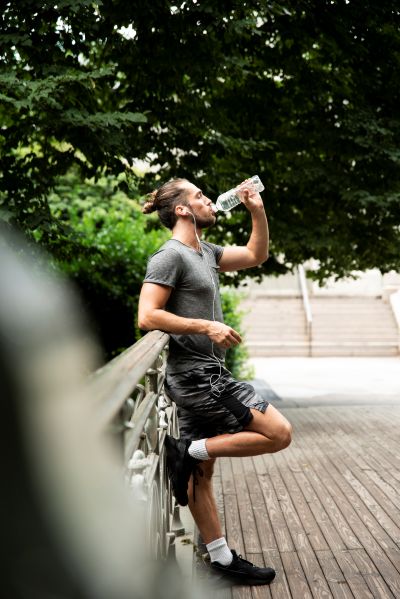
These mixed results highlight the importance of personal tolerance. While some thrive on pre-breakfast walks, others may need a small snack to sustain energy. Listening to your body remains key, especially during prolonged fasts.
Practical Tips for Optimal Timing
To reap the benefits of the best time to walk when fasting, consider these tips:
Start slow: Begin with 20-30 minute walks during fasting windows to gauge energy levels.
Hydrate: Sip water before and after walks to prevent dehydration, which can mimic hunger.
Prioritize low-intensity: Save high-intensity workouts for fed states, as fasting may limit stamina.
For Ramadan observers, post-Sahoor walks offer a practical solution, combining nutrition with physical activity. Meanwhile, those on 16:8 fasting might schedule walks 1-2 hours before breaking their fast to maximize fat burn.
Timing Matters, But Consistency Wins
While the best time to walk when fasting leans toward morning or fasted periods, consistency and personal preference ultimately drive results. Scientific evidence supports fasted walking for metabolic and cardiovascular benefits, but flexibility ensures long-term adherence. Whether you stroll at dawn or dusk, prioritize timing that aligns with your energy levels and fasting goals.
By integrating these insights, you can transform your walks into a powerful tool for health—without compromising your fasting routine.